June 5, 2026
How Omega-Rich Diets Protect Your Dog’s Skin Health
It usually starts with scratching.
A little paw chewing here. A belly scoot there. Maybe flaky skin, dull fur, or paw pads that feel rough instead of smooth. For many dogs, skin issues are more than cosmetic. They’re often a signal that something deeper is happening inside the bowl.
And while pet parents are quick to reach for shampoos, wipes, sprays, or the latest viral “miracle” supplement, healthy skin often starts with nutrition.
That’s where omega-rich diets come in.
The right balance of omega fatty acids can help support skin elasticity, strengthen the skin barrier, improve coat shine, and even help toughen sensitive paw pads. In other words, what your dog eats can directly impact how comfortable they feel from nose to tail.
For dogs struggling with itchiness, dryness, or digestive sensitivities, nutrition matters even more. That’s why many pet parents are turning to a sensitive stomach diet for dogs that supports both gut and skin health.
At Wellness Pet, we believe skin health isn’t about quick fixes. It’s about feeding wellbeing from the inside out.
Why Your Dog’s Skin Matters More Than You Think
Your dog’s skin is their largest organ. It acts as a protective shield against allergens, bacteria, environmental irritants, and moisture loss.
Research suggests skin disease is one of the most common reasons dogs visit the veterinarian. According to VCA Animal Hospitals, allergic skin disease affects an estimated 10–15% of dogs seen by veterinary dermatologists.
When that barrier becomes compromised, problems show up fast:
- Excessive scratching
- Dry, flaky skin
- Redness or irritation
- Hot spots
- Dull coats
- Rough paw pads
- Chronic licking
- Ear irritation
And here’s the tricky part: skin issues are often connected to digestive health.
A dog with food sensitivities may show symptoms through their skin long before obvious stomach issues appear. That’s why many veterinarians recommend a combined approach using sensitive skin & stomach dog food designed to support both systems.
The Omega Advantage: Why Fatty Acids Matter
Not all fats are created equal.
Omega fatty acids are essential nutrients that help maintain healthy cell membranes throughout the body, especially in the skin and coat.
The two big players are:
Omega-3 Fatty Acids
Typically sourced from fish ingredients like salmon or whitefish, omega-3s help support:
- Skin hydration
- Healthy inflammatory response
- Coat softness and shine
- Reduced skin irritation
- Joint and heart health
Omega-3s are one reason many pet parents specifically search for dog food with omega 3 fatty acids when dealing with dry or itchy skin.
Omega-6 Fatty Acids
Omega-6s help support:
- Skin barrier strength
- Moisture retention
- Cell growth
- Coat density
The magic happens when these fatty acids are balanced properly. Too much or too little of either can create problems.
Omega-6s are sometimes criticized online as “pro-inflammatory,” but this is an oversimplification. Dogs require omega-6 fatty acids for normal health.
Veterinary researchers note that essential fatty acids are critical components of the skin barrier and cellular membranes.* Dogs cannot produce these fatty acids on their own, which is where good nutrition comes into play.
That’s why premium nutrition matters. High-quality recipes formulate these nutrients intentionally rather than simply adding extra fat and hoping for the best.
* Source: Merck Veterinary Manual.
Skin Health Starts in the Gut
Here’s something many pet parents don’t realize: a stressed digestive system can show up on the skin.
When dogs struggle to digest certain ingredients, the body can react in several ways, including inflammation that affects skin comfort and coat quality.
Studies evaluating food-related skin reactions in dogs found that food allergies may account for up to 24% of dermatitis cases and 40% of itchy skin cases in certain canine populations.*
That’s why formulas built for digestive support often become the best food for dogs with allergies or sensitivities, too.
Recipes designed for skin and stomach support typically focus on:
- Easily digestible proteins
- Gentle grains or thoughtfully grain-free recipes
- Prebiotic fiber
- Omega-rich fish ingredients
- Limited irritants
- Balanced nutrition for whole-body wellness
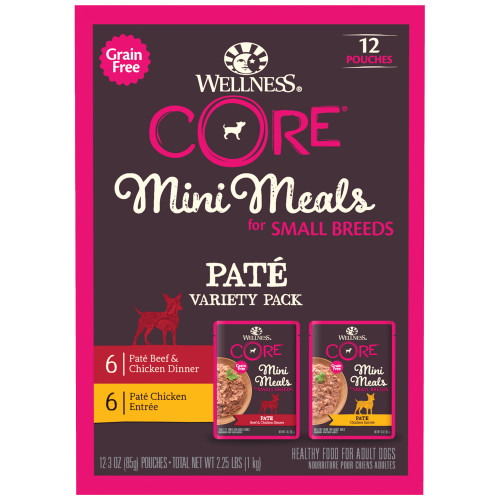
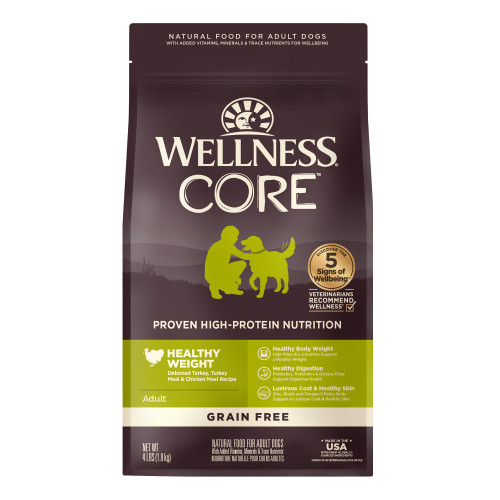
Wellness Pet’s CORE Digestive Health recipes combine digestive support with nutrient-dense ingredients designed to help dogs thrive from the inside out.
Pet parents looking for the best diet for sensitive skin and stomachs can also explore Soothing Sensitive Skin & Stomachs: What Diet Is Best for Your Pet? for additional guidance and nutrition tips.
* Source: Merck Veterinary Manual.
Why Fish-Based Proteins Are Often a Game Changer
If your dog struggles with itchiness or dry skin, fish-first recipes can make a noticeable difference.
Ingredients like salmon and whitefish naturally provide omega fatty acids and serve as highly palatable protein sources for many sensitive dogs.
That’s one reason fish-based nutrition is frequently recommended as the best dog food for itchy skin and the best dry dog food for skin allergies.
Wellness Pet’s Complete Health Sensitive Skin & Stomach Salmon & Rice Recipe was crafted specifically to support your dog’s digestive and skin health in one thoughtfully balanced formula.
With salmon as a primary ingredient plus omega fatty acids, antioxidants, and easily digestible ingredients, it helps support:
- Healthy skin
- A glossy coat
- Digestive comfort
- Immune system health
- Everyday vitality
Because healthy dogs are usually more comfortable dogs.
Don’t Forget the Paw Pads
Paw pads take a beating.
Hot pavement. Frozen sidewalks. Gravel trails. Backyard zoomies. Your dog’s paws work overtime—every single day.
Paw pads can become dry, rough, or more prone to cracking when nutrition lacks key fatty acids.
Omega-rich nutrition helps support skin elasticity throughout the body, including the paws. That’s important for dog paw pad protection, especially for active dogs or dogs living in extreme climates.
Veterinary dermatology experts describe healthy skin as a protective barrier that helps lock moisture in while keeping allergens and irritants out. When that barrier weakens, dogs may become more vulnerable to dryness, itching, and environmental triggers.*
If your dog’s paws seem rough or irritated, nutrition can be part of the solution alongside external care like:
- Avoiding harsh surfaces
- Wiping paws after walks
- Using pet-safe moisturizers
- Keeping nails trimmed
- Staying hydrated
Many pet parents search for solutions like paw pad balm or paw pads for dogs, but skin resilience supported from the inside matters just as much.
* Merck Veterinary Manual
What Makes an Anti-Inflammatory Diet for Dogs?
Inflammation isn’t always visible.
Sometimes it looks like persistent itching. Sometimes recurring ear irritation. Sometimes, licking constantly or irritated paws.
Nutrition can play a role in supporting a healthy inflammatory response, which is why many pet parents explore an anti inflammatory diet for dogs or anti-inflammatory dog food.
Research published in the Journal of the American Veterinary Medical Association found that long-chain omega-3 fatty acids from marine sources may help modulate inflammatory and immune responses in dogs.
High-quality diets that support skin health often include:
- Salmon or whitefish
- Flaxseed
- Antioxidant-rich fruits and vegetables
- Probiotics or prebiotics
- Balanced fatty acid ratios
Don’t go chasing trendy ingredients. Give your dog’s bod nutritional tools to function well every day.
Common Signs Your Dog May Benefit From Skin-Support Nutrition
Not every itch means allergies. But persistent skin issues may signal that your dog could benefit from dietary support.
Watch for:
- Excessive scratching
- Paw licking
- Dry or flaky skin
- Frequent ear irritation
- Dull coat
- Rough paw pads
- Seasonal itching
- Digestive upset combined with skin issues
For many pet parents, switching to a high-quality dog food for sensitive skin becomes one of the simplest and most effective long-term strategies.
Pet parents researching the best dog food for itchy skin can also read Choosing the Best Dog Food for Itchy Skin for additional veterinarian-informed insights.
The Grain-Free Question
Some pet parents specifically look for grain free sensitive stomach dog food when addressing skin concerns.
Grain-free nutrition may be appropriate for some dogs – try Wellness® CORE Grain-Free Whitefish, Herring Meal & Salmon or Wellness® Simple Salmon & Potato formula. For others, wholesome grains can be a beneficial part of a balanced diet. In that case, try the Wholesome Grains option with Wellness CORE.
The key isn’t blindly avoiding ingredients. It’s choosing a thoughtfully formulated recipe built around digestibility, nutrient density, and your dog’s individual needs.
That’s why working with your veterinarian matters, especially if symptoms are persistent or severe.
What About Supplements Like Fish Oil or Coconut Oil?
You’ve probably seen recommendations for:
- high quality fish oil for dogs
- coconut oil for dry skin on dogs
- homemade remedies
- DIY toppers
Supplements work best when built on top of complete and balanced nutrition. Don’t use them to compensate for poor-quality food.
Think of it this way:
A drizzle of fish oil can help.
A thoughtfully formulated omega-rich diet can help with every single meal.
Beyond the Bowl: Other Ways to Support Healthy Skin
Nutrition is foundational, but it’s not the only factor.
You might be asking, “How can I help my dog’s dry skin?” A holistic approach works best.
Helpful habits include:
- Regular grooming
- Bathing only as needed
- Using gentle shampoos
- Avoiding overbathing
- Keeping dogs hydrated
- Managing environmental allergens
- Feeding consistent, high-quality nutrition
Some pet parents also try home care solutions. A soothing oatmeal bath for dogs or targeted dog dandruff treatment products can provide temporary relief.
But lasting skin health usually requires addressing the root cause. Nutrition plays a huge role.
Why Ingredient Quality Matters
When evaluating the top rated dog food for skin allergies, ingredient quality matters just as much as marketing claims.
Wellness Pet recipes are crafted with purposeful ingredients designed to support whole-body wellness.
That means focusing on:
- High-quality proteins
- Nutrient-rich fats
- Omega fatty acids
- Digestive support
- Balanced nutrition
- Thoughtful formulation
Because healthy skin isn’t built from filler ingredients or shortcuts.
It’s built meal by meal.
When to Talk to Your Veterinarian
Persistent itching, recurring ear infections, hair loss, open sores, or sudden skin changes should always be evaluated by your veterinarian.
While nutrition can play a major role in supporting skin health, chronic symptoms may signal underlying allergies, infections, or other medical conditions that require professional care.
The Bottom Line
Skin is your dog’s greatest ally.
It protects. Insulates. Regulates. Defends. When skin health suffers, your dog feels it every day.
Omega-rich nutrition helps support:
- Skin elasticity
- Moisture retention
- Coat health
- Paw pad resilience
- Healthy inflammatory response
- Overall comfort
For dogs with sensitivities, choosing the right food can make an enormous difference — especially when digestive and skin support work together.
Whether you’re searching for:
- sensitive stomach dog food
- dog food for itchy skin
- healthy skin and coat dog food
- limited ingredient dog food for skin allergies
- or simply better everyday nutrition
a thoughtfully formulated, omega-rich diet is one of the best places to start.
Explore Wellness Pet’s Sensitive Skin & Stomach recipes and CORE Digestive Health collection to help support your dog’s skin, coat, paws, and digestive wellness — one bowl at a time.