May 12, 2026
Best Nutrients for Senior Cats: Cognitive and Joint Health
Cats have a way of growing older with quiet grace.
One day, they’re leaping onto countertops.
Next, they’re choosing softer landings. Slower movements. Longer naps.
Aging is natural. But how we support our cats through it matters.
As cats enter their senior years, their physiology changes in measurable ways. Metabolism shifts. Muscle mass declines. Joint structures experience wear. Cognitive processing can slow. These are not just visible changes. They are biological transitions that require a more intentional approach to nutrition.
With the right senior cat diet, you can help support mobility, maintain cognitive function, and improve overall quality of life.
Understanding the Needs of Aging Cats
Veterinary research shows that aging cats experience both musculoskeletal and neurological changes as they move into their later life stages.
Common health issues in older cats include:
- Degenerative joint changes that impact mobility
- Loss of lean muscle mass
- Cognitive decline linked to brain aging
- Dental disease that affects eating behavior
- Reduced digestive efficiency
You may notice subtle symptoms of an aging cat, such as:
- Hesitation before jumping or climbing
- Decreased activity or play behavior
- Changes in appetite or food preferences
- Increased sleep or altered daily rhythms
These are not simply signs of “slowing down.” They are indicators that your cat’s nutritional needs are evolving and require more targeted support.
Why Nutrition Plays a Critical Role in the Senior Years
As cats age, their bodies become less efficient at maintaining and repairing tissue. That makes nutrient density and bioavailability increasingly important.
Effective nutrition for senior cats should focus on:
- Supporting joint structure and mobility
- Preserving cognitive function
- Maintaining lean muscle mass
- Promoting digestive health and nutrient absorption
- Reducing inflammation
This is why many veterinarians and nutrition experts recommend transitioning to soft cat food for older cats, particularly when dental health or appetite becomes a concern.
Wet food offers functional advantages that go beyond texture, including hydration support and enhanced palatability. But what makes the best wet food for senior cats?
The Science Behind Omega-3 Fatty Acids
One of the most studied and impactful nutrients for senior cats is Omega-3 fatty acids.
You may see them listed as:
- Omega 3 for cats
- Fish oil for cats
- Salmon oil for cats
These nutrients, particularly EPA and DHA, play a direct role in both neurological and joint health.
Cognitive Function and Brain Health
DHA is a structural component of brain tissue. In aging cats, maintaining adequate levels may help support:
- Memory retention
- Learning ability
- Cognitive responsiveness
This is especially important as age-related cognitive changes begin to emerge.
Joint Health and Mobility
EPA contributes to joint health for cats by supporting a balanced inflammatory response. This helps:
- Maintain flexibility
- Reduce stiffness
- Improve comfort during movement
Anti-Inflammatory Support
Omega-3s are a foundational component of an anti inflammatory diet for cats, helping to manage chronic, low-grade inflammation associated with aging, known as inflammaging.
While some pet parents turn to fish oil supplements for cats or omega 3 fish oil for cats, incorporating these nutrients directly into complete and balanced food ensures consistent intake and proper formulation.
Joint Health: Beyond Supplements
Joint care is a central concern for senior cats, but effective support goes beyond standalone supplements.
Key nutrients that contribute to joint relief for cats include:
- Glucosamine for cats
- Glucosamine and chondroitin for cats
- Omega-3 fatty acids
These compounds support cartilage structure, joint lubrication, and overall mobility.
Products like Cosequin for cats are often used to supplement these nutrients. However, integrating them into a complete diet simplifies feeding routines and ensures proper dosing within a balanced nutritional framework.
This approach reflects a broader shift in pet nutrition toward functional, food-first solutions.
Why Wet Food Is a Strategic Choice for Senior Cats
Texture is only part of the story.
Wet food plays a strategic role in supporting senior cat health, especially when addressing multiple age-related challenges simultaneously.
Choosing the best wet food for older cats can help:
- Improve food intake in cats with reduced appetite
- Support hydration, which is critical for kidney and urinary health
- Reduce strain on sensitive teeth and gums
- Enhance aroma and palatability to encourage consistent eating
This is why soft cat food for older cats is often recommended as a primary feeding format in later life stages.
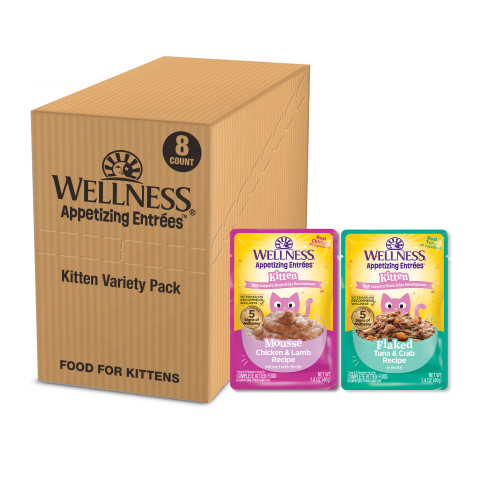
Introducing Wellness Appetizing Entrees
To meet the evolving needs of senior cats, Wellness® Appetizing Entrees offers thoughtfully developed Age Advantage wet recipes for senior cats designed to deliver both functional nutrition and high palatability.
These recipes align with what pet parents expect from top rated wet cat food brands:
- Science-backed ingredient selection
- Targeted nutritional benefits
- High-quality protein sources
For senior cats, they are specifically crafted to support:
- Joint mobility
- Cognitive health
- Ease of eating
If you are evaluating the best wet food for senior cats, this line represents a strong, purpose-driven option.
A Closer Look at Nutritional Design
What sets Wellness Appetizing Entrees apart is not just ingredient quality, but formulation strategy.
Each recipe is designed to deliver:
Functional Lipids
Including sources aligned with cat food with fish oil, contributing to Omega-3 intake.
High-Quality Protein
Highly digestible, animal-based protein supports muscle maintenance and is directly linked to mobility, metabolic health, and longevity in aging cats.
Essential Micronutrients
Balanced vitamins and minerals that support immune health, metabolism, and organ function.
Integrated Nutritional Support
A practical alternative to managing multiple supplements for aging cats, streamlining care while maintaining effectiveness.
This reflects a holistic approach to senior nutrition that prioritizes both science and simplicity.
Supporting Cats with Dental Sensitivity
Dental disease is one of the most common conditions in senior cats. Dental pain doesn’t just impact eating, it can contribute to systemic inflammation and reduced overall quality of life, making early dietary adjustments especially important.
Pain or discomfort while chewing can lead to:
- Reduced food intake
- Weight loss
- Nutritional deficiencies
Wet food formats like Wellness Appetizing Entrees and Wellness Complete Health address this directly by offering:
- Soft, easy-to-consume textures
- Moisture-rich formulas
- Enhanced aroma to stimulate appetite
For cats struggling with dental issues, this can significantly improve consistency in eating and overall nutritional intake.
When to Transition to a Senior Diet
Nutritional needs do not change overnight. However, many cats begin to benefit from a senior cat diet between the ages of 7 and 10. For more guidance, visit this guide.
Transitioning at the right time means you can proactively support aging-related changes rather than reacting to them.
The Role of Fish-Based Nutrition
Fish-based ingredients offer a natural advantage in senior cat diets. Learn more here. They provide:
- Naturally occurring Omega-3 fatty acids
- Highly digestible protein
- Support for skin, coat, joint, and brain health
This makes them a valuable component of a well-rounded senior cat diet.
Recognizing When It’s Time to Adjust
Every cat ages differently. However, certain signs indicate it may be time to reevaluate nutrition:
- Changes in mobility or posture
- Decreased interest in food
- Difficulty chewing or swallowing
- Behavioral changes linked to cognitive decline
These symptoms of an aging cat often respond well to targeted nutritional adjustments.
A More Thoughtful Approach to Senior Cat Care
Caring for an older cat does not require complexity. It requires intention. Focus on:
- Nutrient-dense, functional food
- Formats that support ease of eating
- Ingredients that address joint and cognitive health
- Consistent monitoring of behavior and appetite
By choosing solutions like Wellness Appetizing Entrees Age Advantage or Wellness Complete Health recipes for senior cats, you integrate many of the benefits associated with joint supplements for cats and fish oil supplements for cats into a single, complete feeding approach.
Final Thoughts
Aging in your cat is something you can lovingly support with care and precision.
With the right nutrition for senior cats, you can help your cat maintain mobility, stay mentally engaged, and continue enjoying daily life.
From the scientifically supported benefits of Omega 3 for cats to the practical advantages of soft, nutrient-rich meals, every choice contributes to long-term wellbeing.
Because your cat’s needs evolve and their nutrition should evolve with them.