March 30, 2026
Spring Cleaning Safety: Your Guide to Storing Pet Food & Treats for Freshness
What’s that smell in the air? It’s Spring cleaning season.
Closets get cleared. Windows get washed. Pantries get reorganized.
But one area that often gets overlooked is your pet’s food and treat storage.
If you’re feeling the itch to refresh your home this season, it’s the perfect time to rethink how you handle dog food storage, organize your pet food storage container, and keep every scoop as fresh as the day you opened the bag.
Because freshness is not just about taste. It plays a direct role in your pet’s health, safety, and daily enjoyment.
Let’s walk through exactly how to store pet food the right way and make spring cleaning count for every member of your household.
Why Proper Dog Food Storage Matters
Pet food is carefully formulated to deliver balanced nutrition. Once a bag or can is opened, that freshness begins to change.
Exposure to air, moisture, heat, and light can:
- Reduce nutritional value
- Affect taste and smell
- Increase the risk of spoilage
- Attract pests
That is why using the right dog food storage container or airtight pet food storage container is essential.
Whether you feed dry kibble or wet food, proper storage helps protect quality from the first serving to the last.
The Best Way to Store Dry Food
Dry kibble is convenient, but it still requires thoughtful handling.
Start with the Right Container
The best way to store dry dog food is to keep it sealed in a high-quality airtight dog food container.
Look for features like:
- Tight-sealing lids
- Food-safe materials
- Durable construction
Many pet parents choose a bpa free dog food container to avoid unwanted chemicals. Others prefer a metal dog food storage container for durability and a clean look.
If you go through large bags quickly, a dog food container with wheels makes storage and movement easier. For smaller spaces, a small dog food bin or stackable dog food storage system keeps things organized without taking over your pantry.
The goal is simple: limit exposure to air and moisture while keeping food easily accessible.
Should You Keep Food in the Original Bag?
This is a common question during dog and cat food storage cleanouts.
Many experts recommend placing the entire bag inside your dog food storage container rather than pouring kibble directly into the bin.
Why?
The original packaging is designed to help preserve freshness and includes important details like:
- Expiration dates
- Batch codes
- Feeding guidelines
Using a kibble container while keeping the bag intact gives you the best of both worlds.
Choosing the Right Pet Food Storage Container
Not all containers are created equal.
When selecting a pet food storage container, consider how you use it daily.
For Everyday Use
An airtight pet food storage container works well for most households. It keeps kibble fresh and protects against humidity.
For Style and Function
A decorative dog food container blends into your kitchen while still doing the job. Many designs combine aesthetics with airtight seals.
For Multi-Pet Homes
If you have both cats and dogs, consider separate systems for cat and dog food storage to avoid mix-ups and maintain proper nutrition.
An airtight cat food container or airtight cat food storage solution keeps feline food fresh and distinct.
Storing Wet Food the Right Way
Dry food is only part of the equation.
If your pet enjoys wet meals, storage becomes even more important.
A common question is: does canned cat food need to be refrigerated after opening?
The answer is yes.
The same applies to: does wet cat food need to be refrigerated after opening?
Once opened, wet food should be:
- Covered tightly
- Stored in the refrigerator
- Used within a few days
Proper handling prevents spoilage and keeps meals safe for your pet.
For a deeper dive, check out this helpful guide.
Don’t Forget Treat Storage
Treats deserve the same attention as meals.
A dedicated dog treat container or dog treat storage container helps maintain freshness and prevents overexposure to air.
Look for:
- Tight lids
- Easy access
- Portion control options
A simple treat container on your counter can also make training and rewarding more convenient.
If you enjoy giving your pet high-quality snacks, proper storage ensures every bite delivers the flavor and texture your pet expects.
Spring Cleaning Checklist for Pet Food Storage
Ready to refresh your setup?
Use this quick checklist during your spring cleaning routine:
1. Check Expiration Dates
Discard any expired food or treats.
2. Clean Containers Thoroughly
Wash your dog food container and dog treat container with warm, soapy water. Dry completely before refilling.
3. Inspect for Damage
Replace cracked or worn airtight containers for pet food.
4. Reorganize Storage Areas
Group items by type for efficient dog and cat food storage.
5. Upgrade if Needed
Consider switching to a better airtight dog food container or dog food storage container if your current setup is not ideal.
How Long Does Dry Food Last?
Even with proper storage, kibble does not last forever.
Factors like temperature, humidity, and air exposure affect shelf life.
Check out this post for a full breakdown.
Using a high-quality airtight pet food storage container helps extend freshness and maintain quality.
Travel and On-the-Go Storage
Spring often means more travel.
If you are hitting the road with your pet, a travel dog food container makes feeding simple and mess-free.
Look for options that are:
- Compact
- Leak-resistant
- Easy to portion
Having a dedicated travel solution keeps routines consistent wherever you go.
Freshness Starts with Quality Food
Storage matters, but so does what you are storing.
High-quality meals and treats provide better nutrition and flavor from the start.
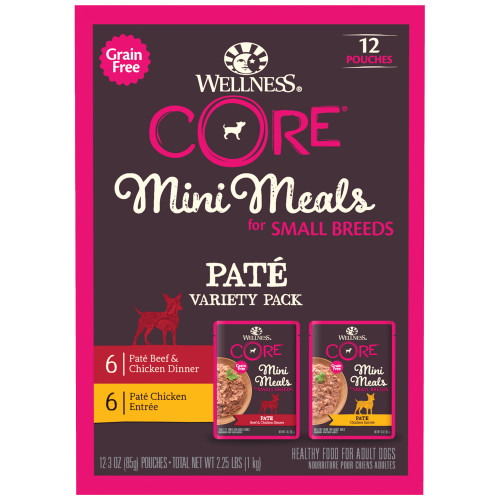
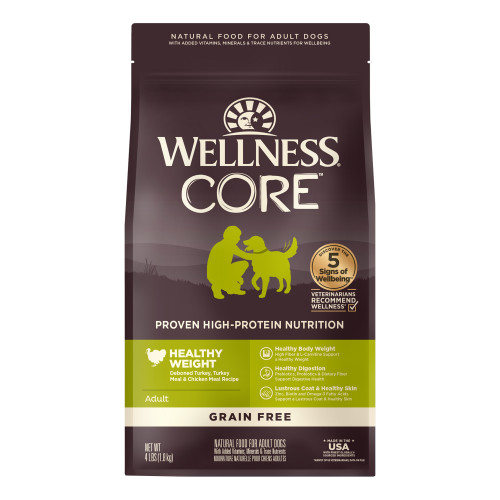
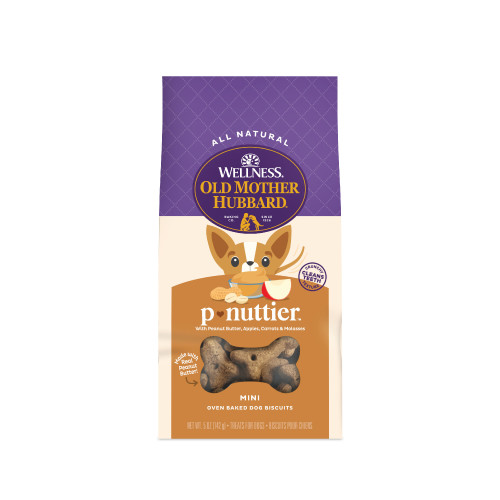
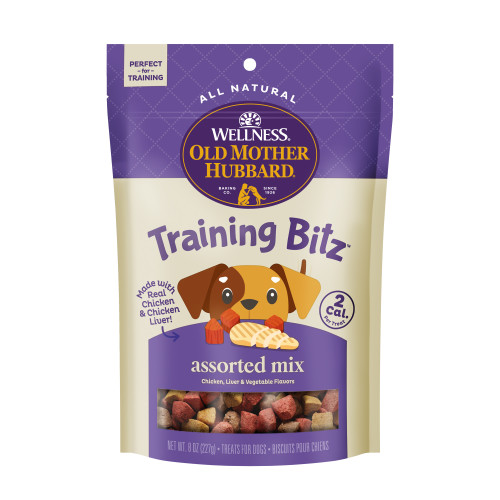
If you are exploring new options, take a look at Wellness® dog treats and meal solutions designed with quality ingredients and thoughtful recipes.
For example, Wellness® Protein Bowls offer a convenient way to serve complete, balanced meals with real ingredients.
For cats, properly storing wet cat food and cat treats ensures every serving stays fresh and safe from the first bite to the last.
Common Mistakes to Avoid
Even well-meaning pet parents can make simple storage mistakes.
Watch out for these:
- Leaving food bags open
- Using non-airtight containers
- Storing food in warm or humid areas
- Mixing old and new food together
- Forgetting to clean containers regularly
Avoiding these pitfalls helps maintain consistent dog food storage quality.
Building a Better Routine
The best storage system is the one you will actually use.
Keep things simple:
- Use clearly labeled containers
- Store food in a cool, dry place
- Keep scoops clean and dry
- Rotate food regularly
Whether you use a dog food storage container with wheels, a small dog food bin, or stackable dog food storage, consistency is key.
A Fresh Start for Spring
Spring cleaning is about more than tidying up.
It is about creating a healthier, more organized environment for your entire household.
That includes your pets.
By upgrading your pet food storage container, organizing your dog food storage, and choosing the right airtight containers for pet food, you set your pet up for fresher meals and better daily experiences.
Because every scoop matters.
And every treat should taste just as good as the first one.
Quick Recap
- Use an airtight dog food container to maintain freshness
- Store wet food properly in the refrigerator
- Keep treats in a sealed dog treat container
- Clean and inspect storage regularly
- Choose high-quality food and treats
A little effort goes a long way. Fresh food. Organized spaces. Happy pets. That’s a spring cleaning win worth celebrating. 🐶🐱