September 21, 2026
Best Wet Cat Food for Cats With Specific Health Needs
When it comes to taking care of our feline companions, providing the right nutrition is crucial. As pet owners, we all want to make sure our cats are healthy, happy, and thriving. But what if your cat has specific health needs? Whether they have a sensitive stomach, are dealing with diabetes, or are struggling with kidney disease, one thing is clear: wet food can be a game-changer.
Let’s take a deep dive into the benefits of wet food for cats with various health conditions, and explore how the right choices can make a big difference. We’ll look at different types of wet cat food for sensitive stomachs, hairball control cat food, wet cat food for urinary health, and much more to ensure your furry friend gets the best possible care.
Why Is Wet Food Good for Cats?
Before going into the specifics, let’s first explore the general benefits of wet food. Cats, unlike dogs, have a low thirst drive. This means they’re often not drinking enough water to stay properly hydrated. Wet food provides an easy solution by offering high moisture content that helps keep your cat hydrated.
But that’s not all. Wet food is often rich in protein, lower in carbohydrates, and formulated with fewer ingredients, making it a popular choice for pets with specific dietary needs or preferences.. This makes it an excellent choice for cats with a variety of health concerns. Now, let’s talk about how it benefits cats with specific health conditions.
Wet Cat Food for Sensitive Stomachs
Some cats are more sensitive when it comes to their stomachs, and as any cat owner knows, digestive issues can lead to discomfort and unpleasant messes. If your cat has a sensitive stomach, it’s essential to choose the right food. Wet cat food for sensitive stomachs can help alleviate these issues.
Wet food’s high moisture content and soft texture can make it easier to chew and digest, particularly for pets with dental issues or sensitive stomachs. Plus, many high-quality wet foods, such as Wellness® CORE+ Chicken Pate recipe or Wellness® CORE+ Digestive Health Whitefish recipe are designed specifically for sensitive stomachs, offering a gentle yet nutritious option. You can also check out our Guide to Feeding Cats with Sensitive Stomachs for more detailed advice.
Hairball Control Cat Food
If your cat is shedding a lot or grooming constantly, hairballs can become an issue. These little messes are more than just a nuisance – they can also lead to digestive blockages. Hairball control cat food is specially formulated to reduce hairball formation by promoting smoother digestion and helping hair pass through your cat’s system more easily.
One standout option is Wellness CORE+ Wet Hairball, which combines high-quality protein with fiber to help your cat manage hairballs. For even more specific guidance, check out this Blog Post on Hairballs.
Wet Cat Food for Weight Loss and Weight Management
Overweight cats face lots of health risks, from diabetes to joint issues. If your cat struggles with excess weight, provide food to support their weight loss journey while offering the nutrition they need. Wet cat food for weight loss or weight management is often a great option since it contains fewer calories and higher water content, which can help cats feel full without overeating.
High-protein options like Wellness CORE+ Healthy Weight recipes are perfect for weight reduction cat food because they support muscle maintenance while helping your cat burn fat. Additionally, Wellness Complete Health Wet offers excellent choices for weight management cat food that are both nutritious and satisfying. Check out our No-Nonsense Guide to Feeding Overweight Cats for more tips.
Wet Cat Food for Diabetic Cats
Diabetes is a common condition in older cats and requires careful dietary management. Wet cat food is often recommended for diabetic cats because it is typically lower in carbohydrates and higher in protein, which helps support better blood sugar regulation.
The best choices for diabetic cats include Wellness CORE+ Healthy Weight and Wellness CORE+ Indoor Tuna & Tilapia recipes. These foods are high in protein and low in calories, and with added L-Carnitine for metabolic support, which are important for managing feline diabetes. To ensure you choose the right food for your diabetic cat, refer to our Guide on Diabetic Cats.
Wet Cat Food for Kidney Disease
Kidney disease is another common condition in older cats, often requiring dietary adjustments. A renal support wet cat food is typically lower in phosphorus and protein, which helps reduce the workload on the kidneys. Additionally, wet cat food for kidney disease can provide the moisture your cat needs to stay hydrated.
If your cat has kidney disease, it is important to speak with your veterinarian for feeding recommendations. Full nutritional profiles for all Wellness® recipes can be found online and shared with your pet’s veterinarian.
For more on managing kidney disease in cats, refer to this Blog Post on Kidney Disease.
Wet Cat Food for Constipation and Diarrhea
Cats can suffer from both constipation and diarrhea. And in these cases, the type of food they eat can significantly impact their well-being. Wet cat food for constipation often includes higher fiber content, in addition to higher moisture which can help keep things moving through your cat’s digestive tract. On the flip side, if your cat is dealing with diarrhea, it’s important to choose the best cat food for diarrhea that is gentle on their stomach while helping to firm up stools.
Wellness® CORE+ Digestive Health Turkey Pate and Wellness® CORE+ Digestive Health Salmon Pate are good cat food options for diarrhea with probiotics to support gut health. Meanwhile, Wellness® Complete Health Wet food provides options for cats with constipation, offering a good balance of fiber to keep your cat’s digestive system on track.
Wet Cat Food for Urinary Health
Urinary health is crucial for cats, especially males, who are more prone to urinary blockages. Wet cat food for urinary health helps to maintain a healthy urinary tract by promoting hydration and supporting bladder health. It’s often recommended to choose food specifically formulated for urinary support, with low magnesium and proper pH balance.
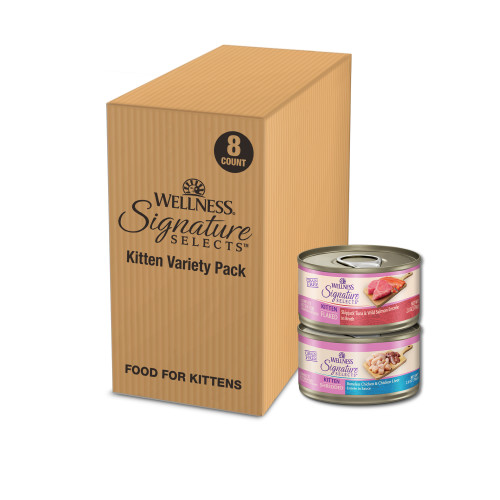
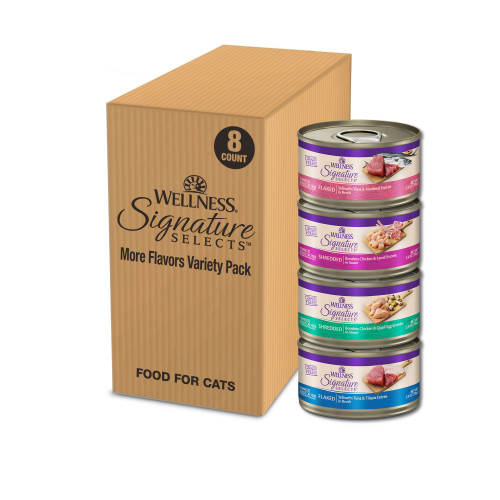
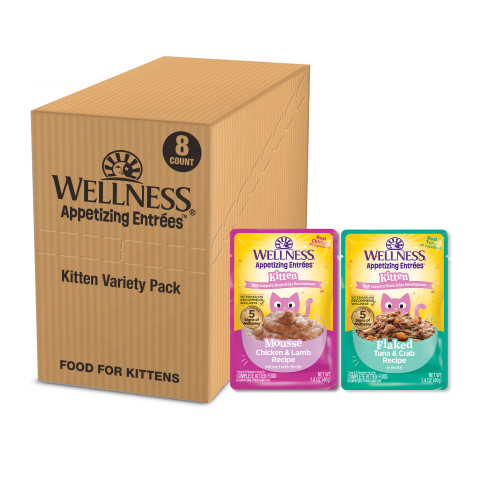
Wellness® offers an excellent selection of wet cat food for urinary health, including Wellness® CORE+ Pâté Hairball Chicken recipe for adult cats, Wellness® Appetizing Entrées Flaked Tuna Recipe in Broth and Wellness® CORE Signature Select shredded recipes.
Hypoallergenic Wet Cat Food
If your cat has food allergies, or intolerances, choosing a hypoallergenic wet cat food is a must. These foods are made with limited ingredients to reduce the risk of allergic reactions. They’re perfect for cats with sensitive systems or those who need to avoid certain proteins or grains.
Wellness® CORE wet food options also offer cat food for allergies, which is made with high-quality proteins and minimal additives, making it a great hypoallergenic option.
Conclusion: Choosing the Right Wet Food for Your Cat
When choosing the best wet food for cats with specific health conditions, it’s important to consider your cat’s unique needs. Whether they have a sensitive stomach, diabetes, kidney disease, or need help managing their weight, there are plenty of options available to support their health. From Wellness® Appetizing Entrees to Wellness® Complete Health Wet to Wellness® CORE+ Wet, you have a variety of nutritious, high-quality choices for your furry friend.
Remember, the benefits of wet food for cats are clear. It provides hydration, supports digestion, and helps manage specific health conditions. Whether you’re looking for high protein wet cat food for weight loss, wet cat food for diabetic cats, or cat food for kidney problems, choosing the right food is a simple yet effective way to ensure your cat’s health and happiness.
As always, consult your veterinarian before making any changes to your cat’s diet, especially if they have an existing health condition. Your vet can also review the full nutrient analysis of Wellness formulas, which is available on the brand’s website, to help guide the best choice for your cat’s specific needs.
With so many delicious and nutritious options available, finding the right wet food for your cat has never been easier. So go ahead, treat your kitty to the best!